By Veronica Wilde
Why moving your body can feel harder than it should — and how we can change that, gently
As a health and fitness coach, I work with many Filipino mums and I hear the cultural challenges they face when it comes to health and fitness. I have a Filipino mum, and I’ve learned a lot from her over the years about resilience, sacrifice, and putting family first. Those values are deeply ingrained in me, and they shape not only how I live, but how I coach.
And while these values are something I respect and cherish, they can also quietly influence how we see health, fitness, and self-care, often without us even realising it. This isn’t about blame. It’s about understanding why certain habits exist — and how we can work with our culture, not against it.
Food as connection without the guilt
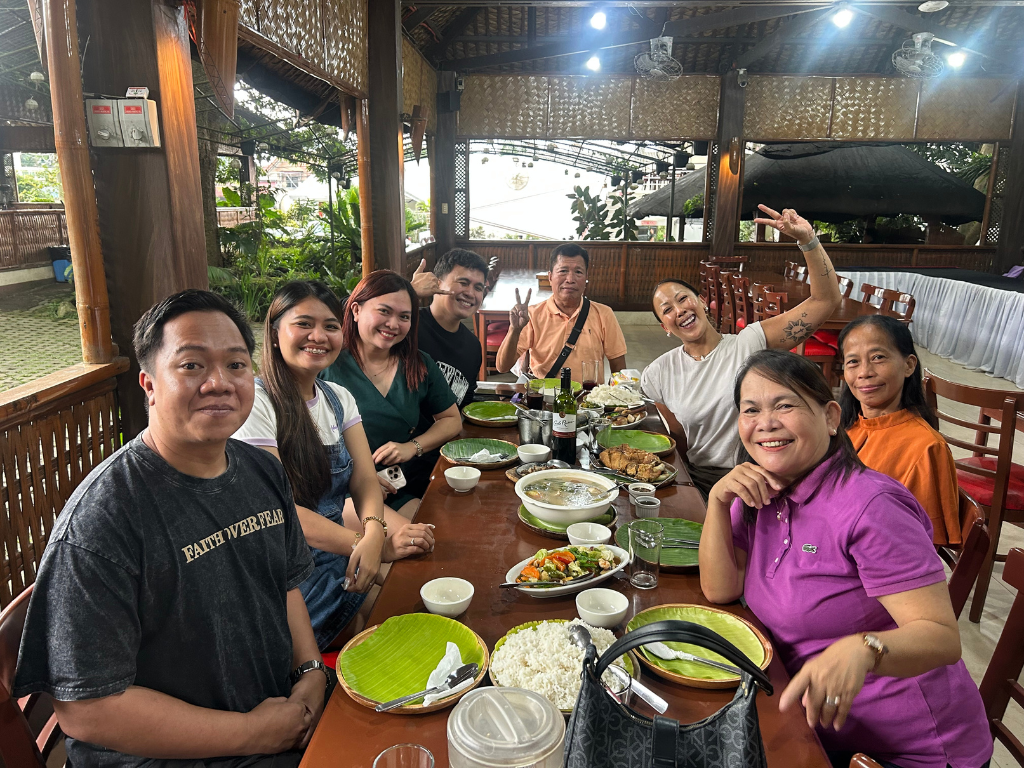
If you’re a Filipino mum, chances are you’ve grown up hearing some version of this:
“Anak, kain ka pa [Child, eat some more].”
For Filipinos, food is love. Food is care. Food is how we show up for one another. In many Filipino households, food sits at the centre of family life. Elders show care by offering more food. Saying no can feel disrespectful, ungrateful, or even hurtful.
I remember my mum telling my sister and me off for not finishing our food, reminding us that people in the Philippines were starving and that we should be grateful. That message sticks with you. Even as adults, it can create a deep sense of guilt around food, waste, and saying no.
I’ve coached women who feel torn between wanting to feel healthier and not wanting to offend family members. Others feel guilt for choosing smaller portions or different foods when everyone else is eating the same dishes.
One gentle reframe I often share is this: honouring your health does not mean rejecting your culture. It can look like balance, portion awareness, or choosing when and how often certain foods fit into your life — not cutting them out completely.
From self-sacrifice to self-care: Reclaiming your time
Another common theme I see is pride in being busy. Many Filipino mums are natural carers — for children, partners, elders, and extended family. Rest and personal time often come last.
This is something I live myself. I’m a mum to two teenage girls, and I also care for my own mum, often from afar. Like many women, I juggle work, parenting, emotional labour, and family responsibilities across generations – dealing with the latest “ate” based family drama from the motherland, I’m sure plenty of OFW and Filipinos like you will relate!
Exercise can often feel like a luxury, or worse, something selfish. But when movement is framed as another thing to add to an already full plate, it’s no surprise it gets pushed aside. That’s why I believe movement has to fit into real life — not wait for life to calm down.
Movement as medicine: Making fitness fit your Filipino lifestyle
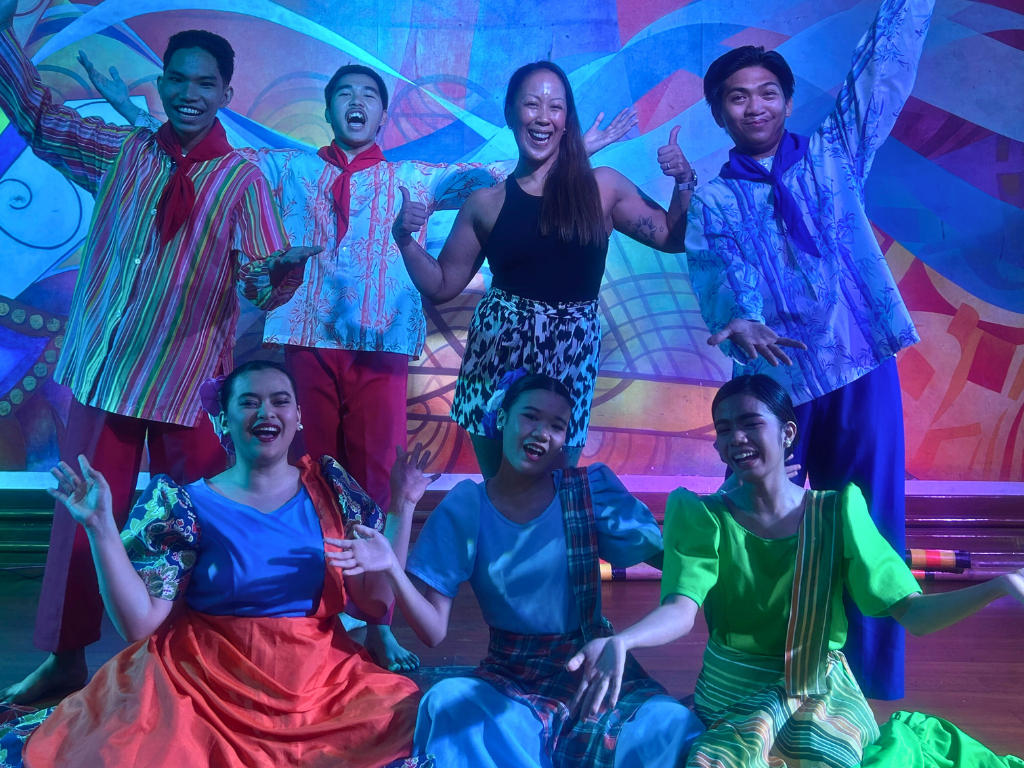
Health doesn’t need to look like gym memberships, strict diets, or all-or-nothing routines.
For many Filipinos, sustainable fitness looks like:
- Walking while catching up with family on the phone
- Strength exercises at home using your own bodyweight
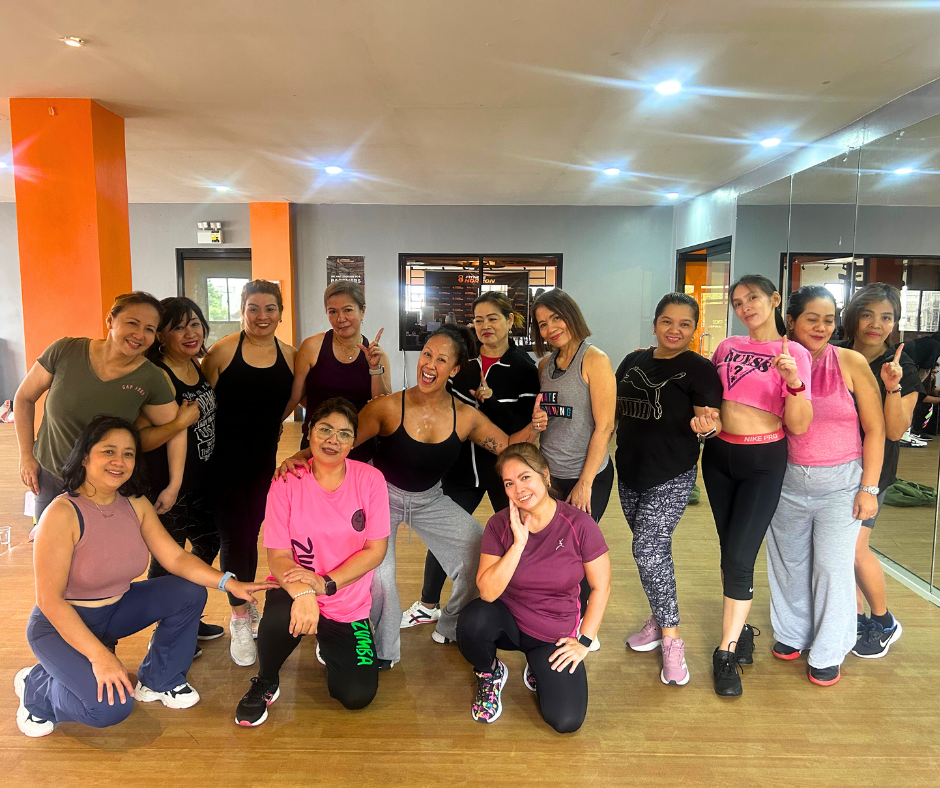
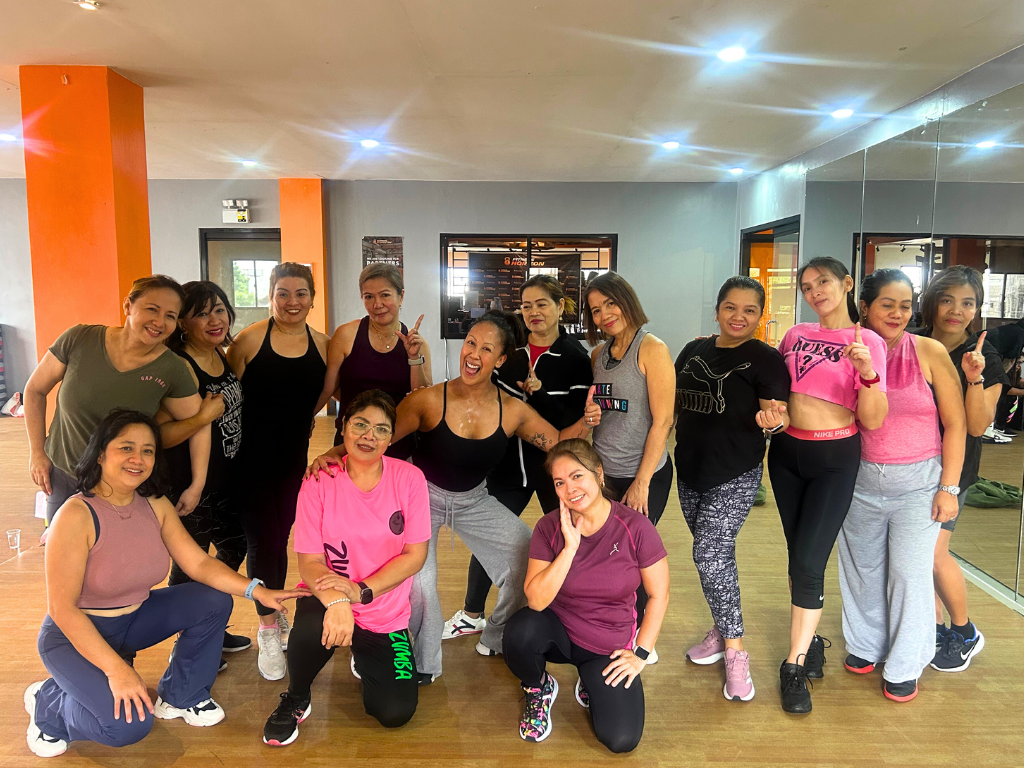
- Dancing (like zumba) in the kitchen — because let’s be honest, Filipinos love to dance!
Short routines that fit between school runs and work
We don’t always realise it, but movement is already part of our culture. We celebrate through dance. We express joy through music. We move together.
I was reminded of this recently while listening to a Ted talk by psychiatrist Dr John Ratey, who speaks about how movement isn’t just good for the body — it’s essential for the brain. He describes exercise as “medicine” for mental health, improving mood, focus, and resilience.
That really stuck with me, especially when I think about women who feel overwhelmed, anxious, or constantly tired. Movement doesn’t have to be intense to be effective — it just has to be consistent and human.
If fitness has ever felt like something that wasn’t for you, it may not be about motivation or discipline at all. It may be about culture, expectations, and years of putting everyone else first.
Sometimes the most powerful shift is giving yourself permission to matter too.
About the Author
Veronica Wilde
Veronica “V” Wilde is a UK-based women’s health and fitness coach with over 20 years of experience. Both of her parents were born and raised in the Philippines, and her Filipino heritage strongly shapes her values around family, resilience, and community.
She specialises in helping busy women build strength, confidence, and sustainable habits through realistic training, lifestyle support, and accountability/habit based coaching. Connect with her on Instagram or Facebook.