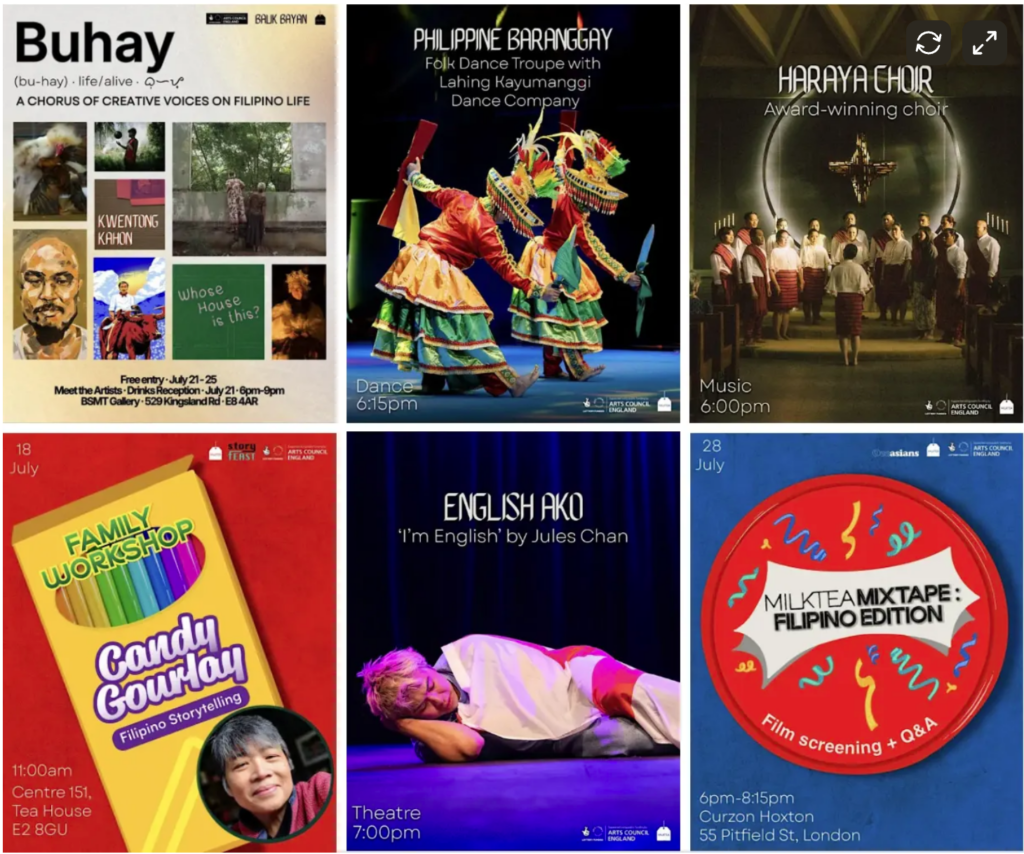



Led by two young British Filipinos, this month of cultural events asks searching questions about identity and home.
By Candy Gourlay
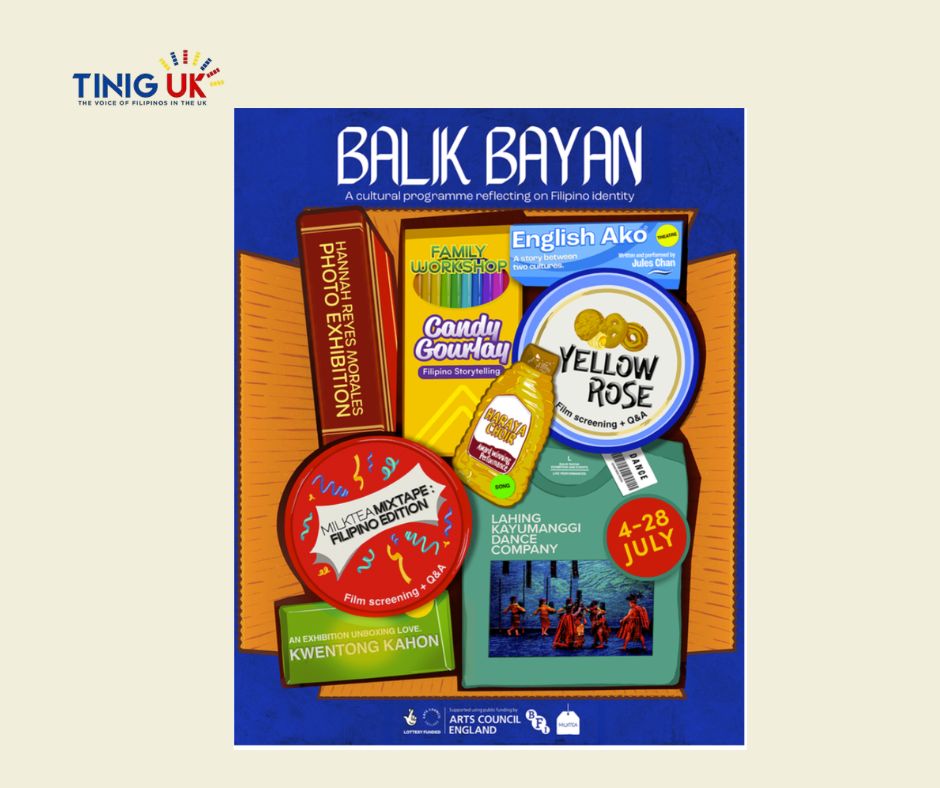
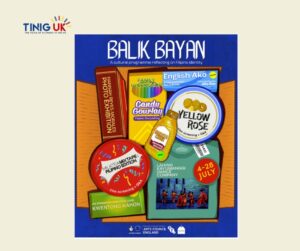
Where do I start with MilkTea’s Balik Bayan Festival? The screening of Yellow Rose in London and other locations in the UK? The dance extravaganza performed by the Lahing Kayumanggi Dance Company? The Haraya Choir? The performance of one man comedy drama English Ako (I’m English) by Jules Chan? The showcase of short films MilkTea Mixtape: Filipino Edition? The installations for Kuwentong Kahon (Box Stories) at the Buhay Exhibition? All curated and co-produced by young artists Graciela Mae Chico and Gabby Lauren, in partnership with a panoply of grassroots organisations.
Balikbayan is a word any diasporic Filipino would know. It’s what we call ourselves when we return to our motherland. And it’s what we call the boxes of goodies that we abroad traditionally send home to those we left behind. It’s a word full of longing – so many of us left home because home could not provide what we felt our families deserved. The word is split into its component parts for the purposes of naming the festival: balik, meaning return, and bayan, meaning homeland.
This is not just about the meanings of balikbayan, but a meditation on what home means to those who live somewhere else.
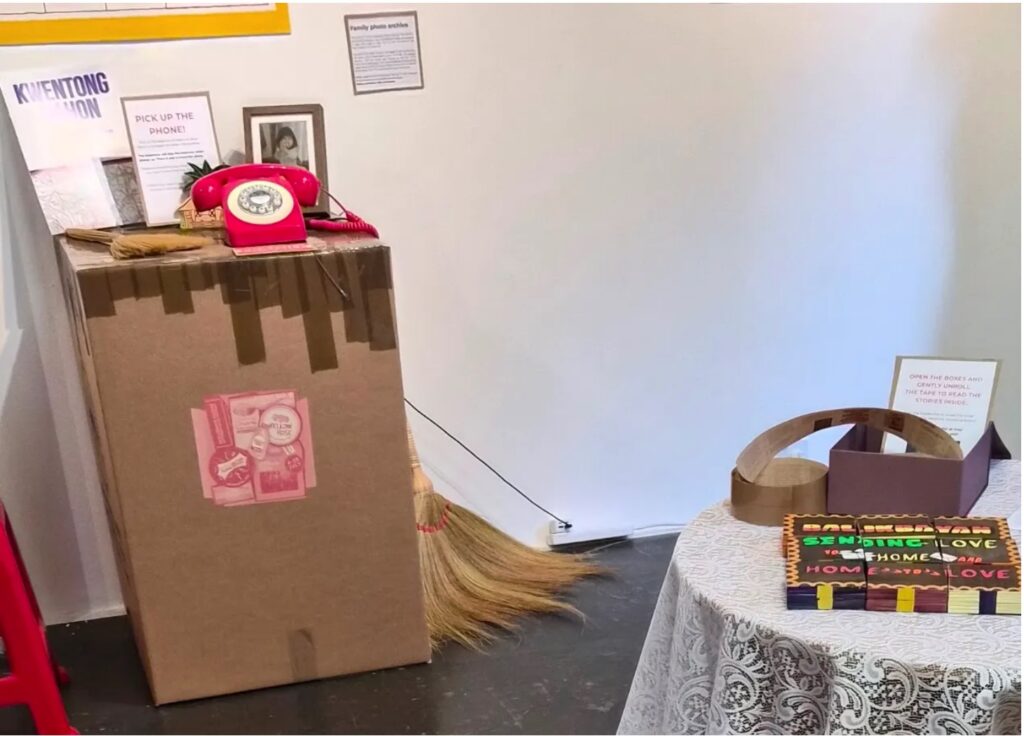
Mae describes watching her mother pack a box to send home in the darkest depths of the Covid lockdown. It spurred her to put the balikbayan box at the heart of her graduate installation. Mae’s footage of her mother packing a box is one of the smartphone installations in the Kwentong Kahon (Box Stories) part of the Buhay exhibition from 21 to 25 July. Here’s a quick snippet:
Indeed, a balikbayan box makes an appearance at every event of the festival, and attendees are invited to donate used clothing for Filipino workers in hardship in the UK.
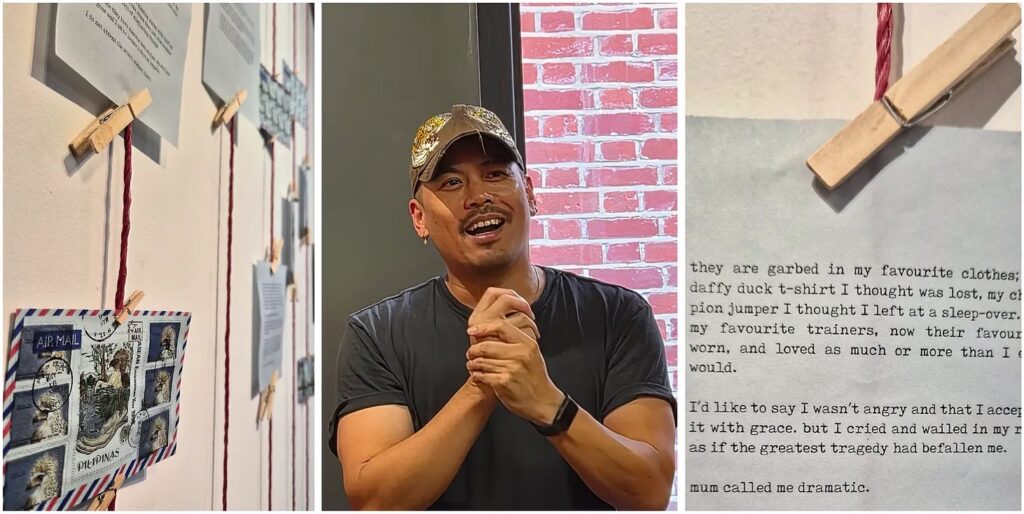
Ang Arte Naman (translates to “you’re being so dramatic” but probably closer to “what a fuss”) by Paris Zarcilla – yes, the writer and director of the horror movie Raging Grace – describes Paris’s boyhood shock at discovering that his favourite trainers had been spirited off to cousins in the Philippines in a balikbayan box. It made you laugh, it made you cry, much like a lot of the work on display.
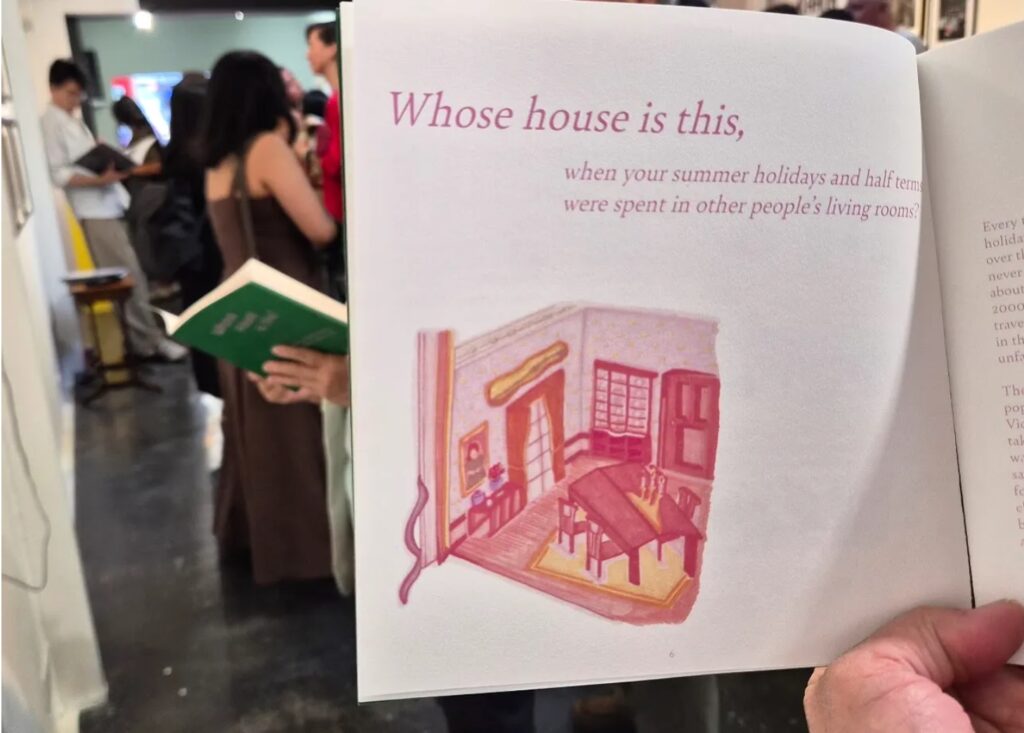
Another moving piece was Whose House is this? by Chelsea Laylo an extended essay with illustration and sound, that emerged from a workshop for adults who are children of domestic workers in London, exploring their memories through collages, written reflections and conversations about houses they had visited. “Whose house is this, when your summer holidays and half terms were spent in other people’s living rooms? . . . why did we always go through the side door?”
I loved that in Mae’s installation Ang Aming Sala (Our Living Room) a telephone rests on top of an actual balikbayan box in the living room – in the diasporic Filipino home, the balikbayan box typically does double duty as a coffee table until it’s ready to be shipped home.
Danica Frances Fronda performed Can You Bring Back Home? – a poem written specifically for the Balik Bayan Festival. With Balik Bayan’s permission, here is a video of her performance, mostly in English but sweetened with Tagalog and Kapampangan.1
There is much else to see at the exhibition, including work by Daryl Rainbow, Alnara Basco, Chelsea Pineda, Hannah Reyes Morales. Lynda Lorraine’s array of Filipino faces in oil and Paris Zarcilla’s wonderful photography flank the entrance passageway into the BSMT Gallery.
In my early days in the UK, more than 30 years ago, I reported on the lives of Filipinos living in Europe. Many of those stories were about domestic workers.
There was the chemist who came to London as a maid and found herself tutoring her employer’s children in science. The lawyer who became a Tesco checkout assistant. The former union leader who, before leaving the Philippines to work abroad, carefully put up times-table posters for her children. The maid abandoned by her employers to look after their house during the first Gulf War, who fled across the desert and somehow ended up in London.
There were happy stories (the caregiver who became an orthopaedic surgeon), but most were sad and desperate. At the time, I often wondered what the future held for these Filipinos who had chosen to make their lives in a cold, unfriendly country.
I’ve written elsewhere about looking at life from both sides now. This exhibition feels like a view from the other side of those lives.
These artists are the next generation: the children of Filipinos who came to Europe seeking their fortunes. Here they are making art, speaking out, finding their voices, confronting what has been inherited, and discovering joy and meaning in the complex stories of their parents — and of themselves.
Mabuhay to them all.
Postscript!
I was privileged to be invited to do a children’s event for the Balik Bayan Festival on 18 July. ‘Filipino storytelling’ was the brief, so I got one of those blank board books and drew a lift-the-flap-book about Filipino animal sounds, just for the workshop. The children loved making their own! Below is a snippet from the workshop. I am proud to report that my grandson made me read my homemade lift-the-flap book to him about 20 times.
Republished with permission from Story Feast Magazine.
Lead image credit: Milk Tea
1Quick translations:
puti – white
bagoong – shrimp paste, fermented fish
ulam – main dish
basahan – cleaning rag
sayang – a waste
nakakahiya – embarassing
atyu keni lost keng alinu ku – I am here lost in the shadows
morena – brown
pinsan – cousin
About the Author
Candy Gourlay
Candy Gourlay was born in the Philippines and met her husband during the People Power Revolution in 1986. Her novel Wild Song, translated by Alexandra Rak, has won the Gustav Heinemann Peace Prize and the Luchs Prize in Germany. In the Philippines, Wild Song won the National Children’s Book Award. In the UK, Wild Song was nominated for the Carnegie Medal, the Caffe Nero Book Award and the Jhalak Prize.


